

Quick Answer to Your Questions
Can bench pressing cause elbow pain?
Yes, bench pressing can cause elbow pain—but the exercise itself is rarely the true problem.
Why do my elbow hurt during bench press?
In most cases, elbow pain during bench pressing shows up because the muscles and tendons involved are already stiff, overworked, or lacking proper pliability. This makes the elbows less able to tolerate stress during repeated pressing movements.
Why pain persists: With bench pressing, elbow pain is rarely just about the elbow itself. It often comes from how the movement overexerts the arms, how restricted muscles and irritated tendons handle stress during pressing, and compensation patterns that develop over time.
Fix Elbow Pain Fast — Without Guesswork
Our step-by-step program is designed to help you eliminate elbow pain from lifting.
Bench Press Mechanics That Can Contribute to Elbow Pain
I’ve been lifting for over 10 years and have personally dealt with—and resolved—elbow pain from bench pressing.
The bench press mechanics and factors below are important to understand because they contribute to pain, but they are not the true cause of this issue.
This page explains the main cause.
Grip, Wrist, and Elbow Position
Type of Grip:
Wide Grip: This grip places excessive strain on the forearm and wrist extensors, which can lead to lateral epicondylitis (tennis elbow) or brachioradialis tendonitis.
Close Grip: A narrow grip shifts more load to the wrist flexors and inner forearm tendons, increasing the risk of golfer’s elbow (medial epicondylitis).
Type of Bar Used:
Using a bar that is too thick or thin for your hand size can lead to grip instability and muscle compensation in the wrists or elbows. Thicker bars are better suited for individuals with larger hands, while thinner bars are ideal for smaller hands.
Overly Extended Wrists and Elbow Position:
Allowing your wrists to hyperextend or positioning the elbows too far inward or outward during the lift can place unnecessary stress on the elbow tendons.
Bench Setup and Equipment Choice
Type of Bench Press:
Variations such as flat, incline, and decline bench presses alter the angles of muscle activation. These changes can place uneven stress on the elbow tendons, especially when muscles are tight or fatigued.
Type of Bench Equipment:
Stationary Machines: Chest press machines are generally easier on the joints, but improper setup on the Smith machine can create elbow strain if the bench is not positioned correctly.
Cable Machines and Resistance Bands: These options allow for a more natural range of motion, reducing strain on the elbow.
Barbell vs. Dumbbell: Dumbbells often allow for a more natural arm movement, decreasing the likelihood of tendon irritation compared to the fixed bar path of a barbell.
Misalignment of Weights:
Misaligned weights on a barbell, especially during free-weight bench presses, can force one arm to compensate for the imbalance, increasing the risk of elbow issues.
Bar Path and Range of Motion
Bar Path:
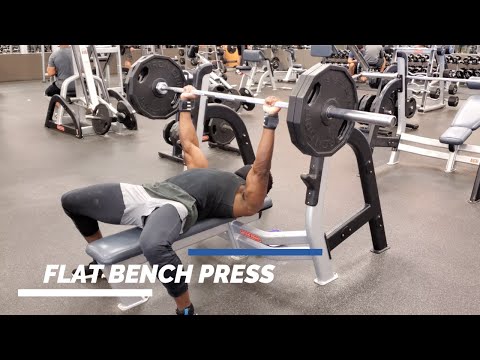
Lowering the bar too high on the chest or following an improper bar path can significantly increase elbow strain by forcing the joints and muscles into suboptimal positions. In this article, I discuss and demonstrate how to perform the barbell bench press.
Degree of Elbow Bend:
Over-bending the elbows during the lowering phase of the bench press can cause unnecessary tension on the tendons.
Range of Motion:
Excessively extending or limiting the range of motion during bench presses can strain the elbow joints and tendons.
Load Management and Training Structure
Overall Tendon Stress:
Progressive overload is essential for building strength but must be approached carefully. Lifting too much weight too quickly can overload the elbow tendons, leading to inflammation and pain.
Weight Load and Joint Compensation:
Lifting heavier weights than your joints can handle often leads to compensations, such as over-recruiting the forearms and elbow tendons, resulting in discomfort or injury.
Type of Workout Program:
Overusing the same bench press variation repeatedly can lead to overuse injuries. Incorporating different types of bench press exercises can help distribute stress more evenly across the muscles and joints.
Alternative Exercises to Avoid Pain During Bench Press Workouts
This section provides alternative exercises to the bench press that target the chest and supporting muscles with less strain on the elbows, allowing you to build strength and muscle size safely while complementing or replacing bench presses in your routine.
You can find instructions of the exercises below on the JEFIT exercise library.
- Pec Deck Machine: This machine isolates the chest muscles while minimizing strain on the elbow tendons. The fixed grip provides stability, making it a joint-friendly alternative to the traditional bench press.
- Dumbbell Pullovers: Dumbbell pullovers allow for a controlled range of motion and reduce pressure on the elbow tendons compared to the bench press. This exercise also provides a neutral grip, which can help alleviate tension in the elbows.
- Cable Crossover or Chest Fly: Cable exercises offer adjustable resistance and promote a more natural arm position, reducing the risk of tendon strain. This option is especially useful for those with existing elbow discomfort.
- Machine Chest Fly: Similar to the pec deck machine, the chest fly machine provides support and reduces the need for stabilization, placing less stress on the elbows. This allows you to focus on chest muscle engagement.
- Dumbbell Fly: Dumbbell flyes offer a versatile way to target the chest muscles while avoiding the fixed bar path of a bench press. Using a neutral grip during this exercise can further reduce strain on the elbow tendons.
Additional Tips to Avoid Pain
- Tip #1: Stretch between bench press sets to keep the triceps and forearm muscles lengthened. Muscles contract during exercise, and stretching helps to relax them, preventing strain on the tendons. A quick 15-30 second stretch while resting between sets is sufficient. This practice can improve your workouts and help prevent elbow issues. Recommended stretches include the overhead tricep stretch and the forearm flexor and extensor stretches. For examples, watch this YouTube video.
- Tip #2: Perform elbow SMR exercises the night before your bench press workouts. Self-myofascial release relaxes tense triceps and forearm muscles, helping to prevent and counteract the elbow injuries mentioned earlier.
- Tip #3: For a full lifter’s guide that covers FAQs, see: Weightlifting Elbow Pain.
Ready to take the next step?
Our elbow pain program is designed to help you eliminate pain from lifting, so you can train without limitations.

Contact About Privacy Terms | Copyright © 2026 TitaniumPhysique LLC.
Disclaimer: (1) Fitness results vary by individual effort, as such, individual results may vary; (2) We use Microsoft Clarity on our website to ensure you have the best possible browsing experience. Our privacy policy has more details.