

Quick Answer to Your Questions
Can deadlifting cause elbow pain?
Yes, deadlifting can cause elbow pain—but the exercise itself is rarely the true problem.
Why do my elbow hurt from deadlifts?
In most cases, elbow pain during deadlifting shows up because the muscles and tendons involved are already stiff, overworked, or lacking proper pliability. This makes the elbows less able to tolerate stress during heavy gripping and pulling.
Why pain persists: With deadlifting, elbow pain is rarely just about the elbow itself. It usually comes from how gripping and pulling overexert the arms, how restricted muscles and irritated tendons handle stress during heavy pulls, and compensation patterns that develop over time.
Eliminate Elbow Pain — Without Guesswork
Our step-by-step program is designed to eliminate elbow pain fast. Ready to get started?
Deadlift Mechanics That Can Contribute to Elbow Pain
I’ve been lifting for over 10 years and have personally experienced—and resolved—elbow pain from deadlifting.
The deadlift mechanics and factors below are important to understand because they can contribute to elbow discomfort. However, they are not the primary cause of elbow pain from deadlifting.
This article explains the true cause.
Grip Type and Hand Placement
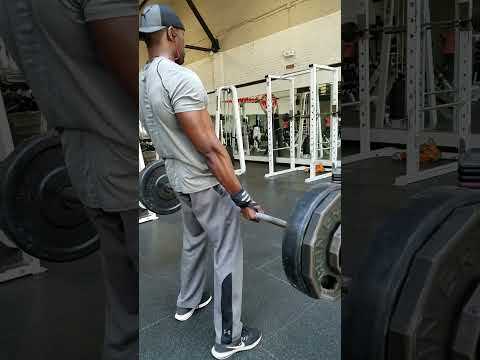
Mixed Grip (One Hand Underhand, One Hand Overhand)
This grip often exacerbates elbow pain by placing uneven stress on the forearm muscles and tendons, especially when muscle imbalances are present.
Double Overhand Grip
This grip minimizes asymmetries but can significantly strain the forearms and elbow tendons at higher loads.
Hook Grip
While reducing reliance on finger strength, improper hook grip execution can cause thumb discomfort and forearm strain that transfers stress to the elbow.
Grip Width
Using a grip that is too narrow or excessively wide can place unnatural stress on the wrist and elbow tendons, increasing the risk of irritation or injury.
Deadlift Variations and Body Position
Conventional Deadlift
This variation places significant stress on the posterior chain, with grip mechanics playing a critical role in elbow strain.
Sumo Deadlift
The wider stance may reduce lower back stress but can increase forearm and elbow loading due to altered grip angles.
Romanian Deadlift (RDL)
Typically performed with lighter loads, this variation emphasizes hamstring activation and may reduce elbow strain compared to heavier deadlift styles.
Trap Bar Deadlift
The neutral grip provided by a trap or hex bar is often easier on the elbows than a straight barbell.
Equipment Type and Bar Characteristics
Barbell vs. Dumbbell
Dumbbells allow for a more natural range of motion, which can reduce elbow strain compared to a fixed barbell path.
Trap Bar or Hex Bar
Neutral handles reduce forearm tendon stress and are often better tolerated by lifters with elbow discomfort.
Smith Machine
Although stable, the restricted bar path can interfere with natural arm positioning and increase elbow discomfort.
Thick vs. Thin Bars
Thicker bars demand greater grip strength, which can overload the forearm tendons and increase elbow stress during heavy lifts.
Bar Path and Movement Control
Bar Path
An improper bar path can force the elbows into unnatural positions, increasing tendon strain. Maintaining proper alignment throughout the lift is key to minimizing unnecessary stress.
Poor Grip Form
Misaligned hand placement on the bar creates uneven pressure across the forearm and wrist tendons. During heavy lifts, even small grip errors can amplify elbow irritation or injury risk.
Load Management and Tendon Stress
Overall Tendon Stress
The deadlift is a compound movement that heavily loads the forearms and biceps. Excessive weight or poor technique can lead to tendon inflammation and elbow pain.
Weight Load and Joint Compensation
Lifting more than the joints can tolerate often causes compensatory over-recruitment of the forearms and elbow tendons, increasing discomfort or injury risk.
Misalignment of Weights
Uneven loading on the bar can force one arm to compensate, increasing strain on the elbow on that side.
Programming Factors and Tissue Restrictions
Type of Workout Program
Overusing the same deadlift variation or neglecting accessory work for grip and forearm strength can contribute to overuse-related elbow issues.
Pain at the Front Crease of the Elbow
This type of discomfort commonly results from overloading restricted biceps tissue, particularly during the lockout phase of the deadlift.
Alternative Exercises to Avoid Pain During Deadlift Workouts
This section provides alternative exercises to the deadlift that target the lower back, hamstrings, glutes, and supporting muscles while minimizing elbow stress and accommodating conditions like golfer’s elbow.
They can complement or replace deadlifts in your routine, reducing injury risk and allowing you to train safely even with elbow discomfort.
You can find instructions of the exercises below on the JEFIT exercise library.
- Hip Thrusts: Hip thrusts primarily activate the glutes and hamstrings with less strain on the lower back and elbows. This exercise is particularly helpful for isolating the posterior chain without the grip and alignment challenges of a traditional deadlift.
- Glute Bridges: Glute bridges focus on the glutes and core stabilization while avoiding the need to hold weights in your hands, reducing the risk of tendon strain. They’re a great alternative for individuals recovering from elbow or grip-related issues.
- Hyperextensions (Back Extensions): Hyperextensions strengthen the lower back and glutes without involving significant grip strength. This makes them a safe option for those experiencing pain in their elbows or forearms during deadlifting.
- Good Mornings: Good mornings are an excellent alternative to target the hamstrings, glutes, and lower back. While grip is still involved, this exercise can be performed with lighter weights or a barbell on the shoulders, reducing strain on the arms.
- Romanian Deadlifts (RDLs): RDLs focus on the hamstrings and glutes with controlled movement. Using a lighter load and focusing on proper form can help reduce strain on the elbow tendons compared to a traditional deadlift.
- Sumo Deadlifts: Sumo deadlifts utilize a wider stance, engaging the inner thighs, glutes, and hamstrings. The reduced range of motion and altered grip placement can lessen strain on the elbows while still working the posterior chain effectively.
Additional Tips to Avoid Pain
- Tip #1: Stretch between deadlift sets to keep the forearm muscles lengthened. Stretching helps relax tight muscles, reducing tension on the tendons. A quick 15–30 second stretch during rest periods is sufficient. Recommended stretches include forearm flexor and extensor stretches (watch here on YouTube).
- Tip #2: Perform self-myofascial release (SMR) exercises the night before your deadlift sessions. SMR helps release tension in the forearms, improving flexibility and reducing the risk of injuries like golfer’s elbow.
- Tip #3: For a complete guide to elbow pain from lifting—plus FAQs—read: Elbow Pain Lifting Weights.
Ready to take the next step?
Our elbow pain program is designed to help eliminate pain, so you can train without limitations.
Contact About Privacy Terms | Copyright © 2026 TitaniumPhysique LLC.
Disclaimer: (1) Fitness results vary by individual effort, as such, individual results may vary; (2) We use Microsoft Clarity on our website to ensure you have the best possible browsing experience. Our privacy policy has more details.