
Tennis Elbow — A Helpful Guide to Outer Elbow Pain
Written by: Nurudeen Tijani (Wellness and Pain Relief Fitness Coach)

Article Summary
- I’ve dealt with—and resolved—elbow injuries related to training and physical activity, including tennis elbow.
- In this article, I break down what tennis elbow actually is, why it develops, and why the pain often persists or returns—based on real-world experience as an athlete, weightlifter, and pain-relief fitness coach.
- While the pain is felt at the outer part of the elbow, the issue is rarely isolated to that area alone. Understanding how tension is distributed through the surrounding muscles and tendons is key to resolving the problem long-term.
Eliminate Elbow Pain — Without Guesswork
Our step-by-step program is designed to eliminate elbow pain fast. Ready to get started?
What is Tennis Elbow?
Tennis elbow, also known as lateral epicondylitis, is a condition that affects the tendon of the forearm extensor muscles where they attach to the outer part of the elbow.
This irritation causes pain on the outside of the arm joint, particularly during movements that involve gripping and wrist extension.
Athletes, lifters, and physically active individuals often experience discomfort during pulling, pressing, and gripping movements. The pain is typically felt on the outer elbow and may extend slightly down the forearm. Tenderness and localized sensitivity are common near the tendon attachment.
To better understand tennis elbow, it’s important to distinguish it from other conditions that can cause pain around the outer part of the elbow and forearm:
- Distal Bicep Tendonitis: This condition involves inflammation of the biceps tendon near its attachment at the elbow. Pain is felt at the front of the elbow crease and is most noticeable during pulling or elbow flexion movements. Unlike tennis elbow, distal bicep tendonitis does not primarily affect the outer elbow or wrist extension.
- Brachioradialis Tendonitis: This tendon condition affects the brachioradialis muscle, which runs along the outer forearm and assists with elbow flexion, especially when using a neutral or hammer grip. Pain is usually felt along the outer forearm rather than directly at the outer elbow tendon, and discomfort often increases during gripping or hammer-style lifting movements.
While these conditions all involve tendons near the elbow and forearm, they affect different muscles and tendon attachments, resulting in distinct pain locations and movement patterns that aggravate symptoms.
Tennis elbow is sometimes confused with other outer-arm pain conditions, but the defining feature is irritation of the outer elbow tendon, where the forearm extensor muscles attach to the arm joint.

The photo above illustrates tennis elbow vs brachioradialis tendonitis. The X indicated in the image is where tendon irritation and pain happens.
Jump to a specific section of the article:
Causes of Tennis Elbow
According to the National Health Service, tennis elbow is the most prevalent cause of persistent pain in the arm, accounting for two-thirds of cases.
While it is frequently associated with repetitive arm use, the condition develops through a combination of mechanical overload, muscle dysfunction, and tendon stress.
Here are several causes of tennis elbow:
- Overuse and Repetitive Strain: The most common cause of tennis elbow is repetitive loading of the forearm extensor muscles. Repeated wrist extension and gripping place continuous stress on the outer elbow tendon, leading to irritation and pain over time.
- Improper Technique: Poor movement mechanics during lifting, gripping, or sport-specific motions can increase strain on the forearm extensors. Incorrect wrist positioning, excessive grip tension, or poor load distribution can accelerate tendon irritation.
- A Sudden Increase in Activity: A rapid increase in training intensity, volume, or frequency can overload the tendon before it has time to adapt. This sudden demand can lead to micro-irritation and inflammation at the tendon attachment.
- Muscle Imbalances: Imbalances between the forearm extensors and surrounding muscles can alter load distribution at the elbow. When certain muscles become dominant or restricted, the outer elbow tendon absorbs excessive stress.
- Age and Tendon Degeneration: As tendons age, they naturally become less elastic and more prone to wear. Degenerative changes can reduce the tendon’s ability to tolerate repeated loading, increasing the likelihood of tennis elbow.
- Inadequate Warm-Up: Failing to properly warm up the forearm muscles before physical activity can increase the risk of tendon irritation. A gradual warm-up helps prepare the muscles and tendon for repetitive stress.
For a deeper understanding of tendon injuries, elbow pain, and related conditions, visit these resources:
- Elbow Tendonitis and Relief Exercises
- Golfer’s Elbow
- Triceps Tendon Injury
- Distal Bicep Pain
- Brachialis Tendonitis
- Elbow Bursitis
- Elbow Pain from Weight Training
In the photo below (2017), I perform a bench press while wearing compression sleeves to manage discomfort.

Symptoms of Tennis Elbow
Over the years of working with lifters and active individuals, one pattern is consistent: the earlier you recognize the symptoms of tennis elbow, the easier it is to prevent the condition from becoming chronic.
Below are the most common signs and symptoms of tennis elbow.
- Pain on the Outside of the Elbow: The most noticeable symptom of tennis elbow is pain on the outer part of the elbow. This pain often worsens during activities that involve gripping, lifting, or wrist extension, such as lifting weights, carrying objects, or using tools.
- Tenderness Around the Lateral Elbow: The outer elbow may feel tender to the touch, especially near the bony area where the tendons attach. This tenderness can make everyday tasks uncomfortable, including typing, opening jars, or shaking hands.
- Weak Grip Strength: Many people experience reduced grip strength in the affected arm. Holding onto objects may feel more difficult, and you may notice fatigue or discomfort even when gripping lightweight items.
- Pain During Wrist and Forearm Movements: Specific movements—especially wrist extension, forearm rotation, or lifting with the palm facing down—can trigger sharp or pulling pain along the outside of the elbow and into the forearm.
- Stiffness in the Elbow and Forearm: Stiffness is common, particularly after periods of rest or first thing in the morning. This stiffness can limit comfortable movement and make the elbow feel tight or restricted.
- Gradual Onset of Symptoms: Tennis elbow typically develops over time rather than from a single event. Mild discomfort may initially appear during activity and gradually progress into persistent pain if the tendon irritation is not addressed.
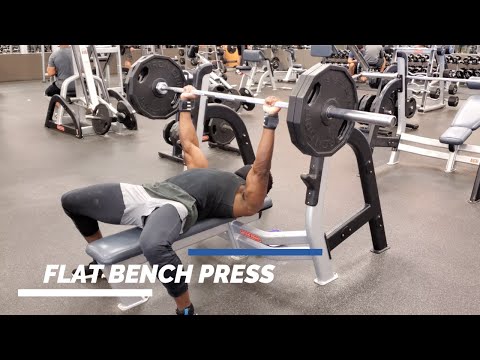
In the video below (2021), I perform flat and incline bench press in a gym.
Affected Joints
Tennis elbow primarily affects the elbow; however, the impact can extend to other joints due to compensatory movements and altered biomechanics.
Here’s how tennis elbow can affect various joints:
- Elbow: The elbow is the most directly affected joint, specifically along the outer portion where the forearm extensor tendons attach. Pain and tenderness in this area can limit gripping, lifting, and wrist extension. Discomfort is often most noticeable during activities that require sustained grip or repetitive arm use.
- Wrist: Because the forearm extensor muscles cross the wrist, tennis elbow can influence wrist mechanics. To avoid pain, individuals may change wrist position or movement patterns, which can increase strain on the wrist joint and surrounding soft tissue.
- Shoulder: When elbow pain is present, load is often shifted to the shoulder to compensate. This overcompensation can place additional stress on the shoulder joint, potentially leading to secondary discomfort or overuse issues over time.
- Hand: Pain and weakness at the outer elbow can reduce grip strength and endurance. This may affect the hand during activities that require sustained gripping or fine motor control, increasing fatigue and limiting function.
The photo below illustrates the muscle anatomy of the upper limb (arm).

Exercises to Stop, Modify, or Avoid
Managing tennis elbow requires adjusting your training to reduce stress on the outer elbow tendon while allowing irritated tissue to settle.
Certain movements place excessive load on the forearm extensors and should be stopped, modified, or avoided during flare-ups. Below are some exercises to stop, modify, or avoid.
Modify or Avoid Push Movements and Select Pull Movements
- Barbell and Dumbbell Curls: Avoid overhand (pronated) curls and heavy straight-bar variations. These positions heavily load the wrist extensors. If curls are tolerated, use lighter weights, limit range of motion, or switch to neutral-grip options.
- Pull-Ups and Chin-Ups: Stop these movements, particularly overhand grips. Sustained gripping and wrist extension can aggravate the outer elbow tendon.
- Row Exercises: Avoid bent-over rows, one-arm rows, T-bar rows, and heavy machine rows. These exercises require strong grip and forearm stabilization, which can worsen lateral elbow pain.
- Lat Pulldowns: Avoid wide overhand grips. If performed, use a neutral grip and reduce load to limit extensor strain.
- Bench Press: Modify by reducing load, shortening range of motion, or using neutral-grip implements when available. Excessive gripping and wrist extension during pressing can aggravate symptoms.
- Overhead Pressing Movements: Stop overhead presses, push presses, and clean-and-press variations. These movements increase elbow and wrist demands and often provoke outer elbow pain.
- Triceps Extensions: Avoid overhead triceps extensions, which place added stress through the elbow and forearm extensors. If tolerated, cable pushdowns with light resistance may be used cautiously.
As with any tendon-related condition, pain should guide decisions. If a movement reproduces outer elbow pain, it should be modified or temporarily removed to prevent further irritation.

Alternative Exercises You Can Perform
While recovering from tennis elbow, choose exercises that limit strain on the outer elbow tendon and reduce excessive wrist extension and gripping. These alternatives allow you to maintain strength and conditioning without aggravating symptoms.
Here are some tips and alternative exercises you can perform to continue training while protecting the outer elbow.
- Opt for Resistance Band or Cable Machine Variations: Bands and cables provide smoother, more controlled resistance and reduce sudden loading on the forearm extensors compared to free weights.
- Consider Performing Partial Reps: Avoid fully extending or locking out the elbow. Partial reps help limit tension on the outer elbow tendon.
- Use Less Resistance and Focus on More Repetitions: Lighter loads with higher repetitions maintain muscle engagement while reducing stress on irritated tendon tissue.
Back Exercises
- Lat Pulldown (using Resistance Band): Provides controlled resistance while minimizing excessive gripping and wrist extension.
- Wide-Grip Lat Pulldown (Palms Facing In / Neutral Grip): A neutral grip reduces activation of the wrist extensors and limits outer elbow strain.
- Rows (using Resistance Band): Bands allow adjustable tension and reduce aggressive pulling that can aggravate the tendon.
- Machine-Assisted Pull-Up (Hammer Grip): The hammer grip limits wrist extension and decreases stress on the outer elbow.
- Banded Pull-Up (Hammer Grip): Reduces overall load while maintaining back engagement with less elbow strain.
- Back Hyperextensions: Strengthens the posterior chain without requiring gripping or elbow loading.
- Full Cobra (Supermans): Builds upper-back and spinal strength with minimal involvement of the elbow.
- Machine-Assisted Dead Hang Stretch (Short Duration): Used cautiously, this can decompress the shoulders while limiting grip intensity.
Shoulder and Arm Exercises
- Machine Deltoid Raise: Provides stable, controlled shoulder work without excessive forearm activation.
- Dumbbell Shrugs (Lower Weight, Higher Reps): Strengthens the upper traps while minimizing grip demand.
- Lateral Raises (using Resistance Band): Smooth resistance reduces stress on the outer elbow compared to dumbbells.
- Front Raises (using Resistance Band): Allows shoulder engagement with better control over wrist position.
- Machine Triceps Extension: Stabilized movement limits unnecessary stress on the elbow and forearm.
- Cable Kneeling Triceps Extension (Light Load): Controlled resistance helps maintain triceps strength without aggravating the outer elbow.
Chest Exercises
- Chest Fly (using Resistance Band): Gentle resistance allows chest activation with minimal elbow stress.
- Wall Push-Ups or Kneeling Push-Ups (Wide-Hand Position): Reduces load through the forearms while keeping the movement controlled.
- Machine Chest Press (Palms Facing In / Neutral Grip): A neutral grip limits wrist extension and decreases outer elbow strain.
- Cable Lower Chest Raise (Minimal Elbow Bend): Targets the chest while limiting elbow extension and gripping demands.

Non-Weightlifting Activities That Might Cause Pain
While weight training can aggravate tennis elbow, non-weightlifting activities may also place stress on the outer elbow tendon and contribute to ongoing discomfort. These activities often involve repetitive wrist extension, sustained gripping, or prolonged forearm tension.
Below are non-weightlifting activities that can worsen tennis elbow.
Yoga: Certain yoga poses that place weight through the hands and wrists—such as planks, chaturanga, downward-facing dog, or arm balances—can increase stress on the forearm extensor muscles. Sustained wrist extension and prolonged loading through the arms may aggravate pain along the outer elbow tendon.
Tennis and Racquet Sports: Repetitive gripping and forceful wrist extension during strokes place continuous strain on the outer elbow tendon, especially with improper technique or overuse.
Painting: Extended periods of wrist and forearm use, particularly with sustained gripping of tools, can overload the forearm extensors and aggravate symptoms.
Typing and Computer Work: Prolonged keyboard and mouse use can increase forearm muscle tension. Poor ergonomics and sustained wrist extension may contribute to outer elbow pain.
Carpentry and Woodworking: Using hand tools that require repeated gripping and wrist extension can place excessive stress on the outer elbow tendon.
Gardening: Digging, raking, and pruning involve repetitive arm and wrist movements that can strain the forearm extensors over time.
Playing Musical Instruments: Instruments that require repeated finger and wrist extension can increase tension in the forearm muscles and aggravate the outer elbow.
Manual Labor: Jobs involving repetitive lifting, gripping, or tool use place ongoing stress on the outer elbow tendon, increasing the risk of persistent pain.

Non-Surgical Treatment for the Outer Elbow Tendon
As explained above, tennis elbow, distal bicep tendonitis, and brachioradialis tendonitis can all cause pain around the elbow and forearm. For this reason, getting properly evaluated is always a good idea to rule out any structural issues involving the elbow joint.
Non-surgical treatment for tennis elbow includes heat and ice therapy, self-myofascial release (SMR) of the forearm extensor muscles, and elbow mobility and strengthening exercises.
- Ice Therapy:
Applying ice to the outer elbow helps reduce pain and swelling associated with tendon irritation. Ice therapy can decrease inflammation and provide relief from sharp or burning pain. Apply ice packs for 15–20 minutes several times per day, especially after activities that increase discomfort. - Heat Therapy:
Heat may be applied to the forearm extensor muscles to help reduce muscle tension and improve blood flow, which can support recovery. However, heat should not be applied directly over the outer elbow if there is a burning pain sensation, as this often indicates tendon inflammation that could worsen with heat. Heat should also be avoided if there is visible swelling or bruising. - Self-Myofascial Release (SMR):
SMR involves using tools such as massage balls or foam rollers to release tight and tense forearm extensor muscles. Restricted muscles place constant pulling tension on the outer elbow tendon. Improving muscle pliability helps reduce strain on the tendon and elbow joint, making SMR an effective and reliable method for managing tennis elbow pain. - Elbow Strengthening Exercises:
Pain and muscle restriction can lead to weakness and reduced joint stability. Strengthening exercises help restore control and support around the elbow, improving tendon tolerance and overall function. Incorporating elbow mobility and strengthening exercises can help reduce recurring stress on the outer elbow tendon.
Ready to take the next step?
Our elbow pain program is designed to help eliminate pain, so you can train without limitations.
Resources
- Elbow pain
https://www.mayoclinic.org/symptoms/elbow-pain/basics/causes/sym-20050874 - Muscle Stiffness
https://my.clevelandclinic.org/health/symptoms/25147-muscle-stiffness - Tennis elbow
https://www.nhs.uk/conditions/tennis-elbow/ - The Magnesium Miracle (Second Edition)
https://books.google.com/books/about/The_Magnesium_Miracle_Second_Edition.html?id=2lBcDAAAQBAJ&source=kp_book_description - Elbow sprain - aftercare
https://www.mountsinai.org/health-library/selfcare-instructions/elbow-sprain-aftercare#:~:text=Ice%20your%20elbow%20for%2015,ice%20can%20damage%20your%20skin - Arthritis of the Elbow
https://www.cedars-sinai.org/health-library/diseases-and-conditions/a/arthritis-of-the-elbow.html - Patient education: Elbow tendinopathy (tennis and golf elbow) (Beyond the Basics)
https://www.uptodate.com/contents/elbow-tendinopathy-tennis-and-golf-elbow-beyond-the-basics Brachioradialis Pain
https://www.healthline.com/health/brachioradialis-pain- THE EFFECTS OF SELF‐MYOFASCIAL RELEASE USING A FOAM ROLL OR ROLLER MASSAGER ON JOINT RANGE OF MOTION, MUSCLE RECOVERY, AND PERFORMANCE: A SYSTEMATIC REVIEW:
https://www.ncbi.nlm.nih.gov/pmc/articles/PMC4637917/
Contact About Privacy Terms | Copyright © 2026 TitaniumPhysique LLC.
Disclaimer: (1) Fitness results vary by individual effort, as such, individual results may vary; (2) We use Microsoft Clarity on our website to ensure you have the best possible browsing experience. Our privacy policy has more details.