
Elbow Pain from Triceps Workouts
Written by: Nurudeen Tijani (Wellness and Pain Relief Fitness Coach)

Quick Answer to Your Questions
Can triceps exercises cause elbow pain?
Yes, triceps exercises can cause elbow pain—but the exercises themselves are rarely the true problem.
Why do my elbow hurt during triceps workout?
In most cases, elbow pain during triceps exercises shows up because the muscles and tendons involved are already stiff, overworked, or lacking proper pliability. This makes the elbows less able to tolerate stress during repeated pressing and extension movements.
Why pain persists: With triceps exercises, elbow pain is rarely just about the elbow itself. It often comes from how repeated elbow extension overexerts the arms, how restricted muscles and irritated tendons handle stress during pressing and extension movements, and compensation patterns that develop over time.
Eliminate Elbow Pain — Without Guesswork
Our step-by-step program is designed to eliminate elbow pain fast. Ready to get started?
Triceps Exercise Mechanics That Can Contribute to Elbow Pain
I’ve been lifting for over 10 years and have personally experienced—and resolved—elbow pain from triceps exercises.
The triceps exercise mechanics and factors below are important to understand because they contribute to pain, but they are not the root cause of this issue.
This article explains the true cause.
Triceps Exercise Type and Movement Pattern
Different triceps exercises place varying levels of stress on the elbow tendons depending on arm position, load, and muscle flexibility.
Overhead vs. Lying Triceps Extensions:
Overhead triceps extensions place the triceps and supporting tendons under significant stretch, especially when the muscles are tight or inflexible. This can overstretch the tendons and cause discomfort at the back of the elbow.
Lying triceps extensions (skull crushers) reduce overhead stress but can still irritate the tendons if performed with excessive weight or poor control.
Follow details on skull crusher, follow this link: read more
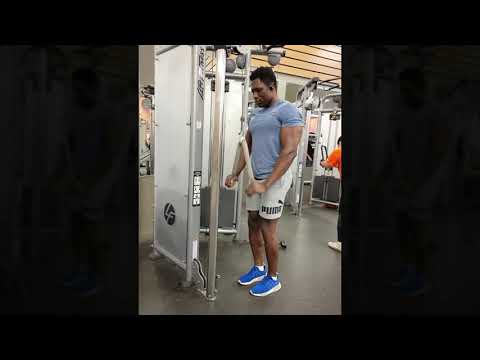
Triceps Pushdowns / Pulldowns:
Generally more joint-friendly, but heavy loading combined with restricted triceps or forearm muscles can still lead to tendon irritation at the elbow.
Triceps Kickbacks:
Effective for isolation, but limited range of motion or excessive weight increases tension on the elbow tendons, especially when the triceps are tight.
Close-Grip Bench Press:
The narrow grip increases tension on the triceps tendons. Poor wrist or elbow alignment, tight muscles, or excessive load can overstress the tendons and cause pain at the back of the elbow.
Single-Arm Triceps Extensions:
Useful for isolating each arm, but full range movements without adequate flexibility or warm-up can increase the risk of tendon overload.
Bodyweight Triceps Exercises
Bodyweight variations often increase joint stress due to fixed positions and deeper ranges of motion.
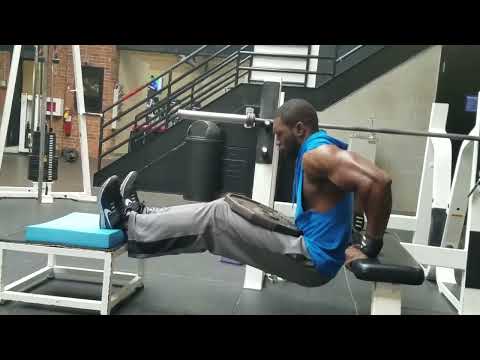
Bench Dips:
Place significant stress on the elbow tendons, especially with limited shoulder mobility or improper form. Adding weight further increases tendon loading and irritation risk.
Parallel Bar Dips:
Effective for strength development, but excessive depth, tight triceps, or poor shoulder stability can overload the elbow tendons.
Grip Type and Elbow Loading
Grip position influences wrist alignment and tendon stress.
Wide Overhand Grip:
Increases pressure on the outer elbow tendons and may force the wrists and elbows into less natural positions.
Close Underhand Grip:
Shifts load toward the forearm flexors and inner elbow tendons, increasing irritation risk when flexibility is limited.
Neutral Grip:
Typically the most joint-friendly option, but tight triceps or forearms can still cause uneven tendon stress.
Bar Type and Grip Mechanics
Bar design affects wrist position and elbow strain.
Straight Bar (Barbell):
Fixed grip can force the wrists and elbows into unnatural angles, increasing tension on the elbow tendons.
EZ Bar:
Promotes a more ergonomic grip, reducing wrist and elbow strain, though restricted triceps can still experience uneven tendon loading.
Swiss Bar:
Allows for a neutral grip and reduces joint stress, but excessive loading can still overstretch the tendons.
Resistance Type and Loading Demands
Different resistance tools change stability requirements and tendon stress.
Resistance Bands:
Provide variable resistance that is generally easier on the elbows, though overly tight bands can still overstretch restricted triceps tendons.
Kettlebells:
Challenge stability during overhead movements and can increase elbow tendon stress if control is lacking.
Dumbbells:
Allow adjustable range of motion but can overload the triceps tendons if excessive weight is used.
Barbell:
Places the highest strain on the elbow tendons due to fixed grip and heavier loading potential.
Machine-Based Triceps Training
Machines alter movement paths and stabilization demands.
Cable Machines:
Offer smooth, adjustable resistance and are generally less stressful on the elbows, though heavy loads and restricted muscles can still cause irritation.
Stationary Machines:
Provide stability but can increase tendon stress if the machine setup does not match the lifter’s natural joint alignment.
Cable Attachment Selection
Attachment choice affects wrist alignment and tendon loading.
Rope Attachment:
Encourages neutral wrist positioning, but flared elbows or restricted triceps can still overstretch the tendons.
Straight Bar Attachment:
Fixes wrist and elbow position, increasing stress when flexibility is limited.
Single D-Handle:
Allows unilateral work but requires precise alignment to avoid tendon overload.
V-Shaped Bar:
Offers a semi-neutral grip, though excessive load can still irritate the elbow tendons.
Bar Path and Movement Control
Bar path directly affects elbow stress.
Close-Grip Bench Press Bar Path:
Lowering the bar too high on the chest increases triceps and elbow tendon strain. A controlled, straight path toward the lower chest helps minimize stress.
Hand Alignment and Symmetry
Uneven loading increases tendon irritation risk.
Uneven Hand Position:
Causes one arm to overcompensate, increasing stress on the dominant elbow tendon.
Balanced Alignment:
Even grip pressure reduces unnecessary tendon overload.
Elbow Position and Depth
Elbow angle influences tendon tension.
Excessive Elbow Flare or Depth:
During dips and extensions, excessive bending or flaring overstretches the triceps tendons.
Controlled Elbow Position:
Keeping elbows closer to the torso and limiting excessive depth reduces irritation.
Load Selection and Joint Compensation
Weight choice affects form and tendon stress.
Excessive Load:
Leads to compensations such as elbow flaring, shoulder involvement, or wrist breakdown, increasing tendon irritation.
Controlled Progression:
Gradual loading with proper form minimizes elbow stress.
Bar Thickness and Grip Stability
Grip size influences forearm and elbow tension.
Thick Bars:
Increase forearm tension and elbow stress, especially for smaller hands.
Thin Bars:
Can feel unstable, leading to compensatory wrist and elbow strain.
Choosing the appropriate bar thickness improves control and reduces tendon irritation.
Workout Programming and Volume
Program structure plays a major role in elbow health.
Repetitive Stress:
Repeating the same triceps movement patterns without variation increases tendon overload.
Balanced Programming:
Rotating triceps exercises helps distribute stress and supports tendon recovery.
Range of Motion Control
Range of motion affects tendon strain.
Excessive Extension or Depth:
Overextending the arm during kickbacks or extensions increases tendon stress.
Controlled Range:
Limiting motion to a pain-free, controlled range reduces irritation while maintaining effectiveness.
Wrist Flexor and Extensor Load
Wrist mechanics directly impact elbow tension.
Overload of Wrist Muscles:
Excessive weight or poor wrist positioning overloads the forearm muscles, contributing to elbow pain.
Neutral Wrist Position:
Proper alignment and manageable loading reduce strain. Strengthening the wrist stabilizers further supports elbow health.
Alternative Exercises to Avoid Pain During Triceps Workouts
If triceps exercises like pushdowns, dips, or extensions are causing elbow pain, consider switching to alternative exercises that reduce strain on the tendons while still effectively targeting the triceps. Below are some options.
You can find instructions of the exercises below on the JEFIT exercise library.
- Resistance Band Pull-Apart: This exercise strengthens the triceps while minimizing joint stress. The variable resistance of the band allows for smoother movements, reducing the pressure on the elbow tendons.
- Resistance Band Kickbacks: A safer alternative to traditional dumbbell kickbacks, resistance bands provide controlled tension and allow for a more natural range of motion, helping to alleviate elbow discomfort.
- Cable Kneeling Triceps Extension: Performing triceps extensions with a cable machine in a kneeling position promotes a controlled range of motion and reduces strain on the elbow tendons, as the resistance is smooth and consistent.
- Single-Arm Resistance Band Triceps Extension: This unilateral exercise isolates the triceps and allows for a customized range of motion, making it a joint-friendly option for individuals with elbow pain.
- Machine Triceps Extension: Using a stationary machine helps to stabilize the movement, reducing the risk of improper form and minimizing tendon stress.
- Machine-Assisted Dips: This alternative reduces the weight load on the triceps and elbows by providing assistance, making it a safer option compared to bodyweight dips.
- Cable High Pulley Triceps Extension: This exercise promotes smooth resistance and reduces strain on the elbow tendons by encouraging a neutral wrist position and a controlled motion.
- Close-Grip Dumbbell Press: This variation engages the triceps without placing as much strain on the elbow tendons as a barbell press, thanks to the independent movement of each dumbbell.
Additional Tips to Reduce Pain
In addition to the alternative exercises above, here are some methods to help reduce elbow strain during your workouts:
- Opt for Resistance Bands or Cable Machine Variations: These provide smoother resistance and reduce tendon overload compared to free weights or stationary machines.
- Perform Partial Reps: Avoid fully bending or extending the arm during the movement to reduce tendon strain.
- Use Lighter Weights and Higher Repetitions: Focusing on lighter resistance and more repetitions helps to reduce joint pressure while still building muscle.
- Stretch Between Sets: Incorporate quick 15–30 second stretches for the triceps and forearms to improve flexibility and relieve tension in the tendons. Here’s a demonstration of the tricep overhead stretch by ACE Fitness.
- Incorporate Self-Myofascial Release (SMR): Perform elbow SMR exercises the night before your triceps workout. SMR relaxes tense muscles, preventing and counteracting elbow injuries.
For a complete lifter's guide (with FAQs), read: Elbow pain lifting weights.
Ready to take the next step?
Our elbow pain program is designed to help eliminate pain, so you can train without limitations.
Contact About Privacy Terms | Copyright © 2026 TitaniumPhysique LLC.
Disclaimer: (1) Fitness results vary by individual effort, as such, individual results may vary; (2) We use Microsoft Clarity on our website to ensure you have the best possible browsing experience. Our privacy policy has more details.